Dr. Shohei Yamamoto | Behavioral Economics
Assistant Professor, Rikkyo University College of Economics
Research Associate, Waseda University
I have been grappling with procrastination for over 30 years, which inspired me to research this area to overcome procrastination for both myself and others. My broader interest lies in understanding how humans make decisions and exploring ways to improve our decision-making processes.
arXiv Working Paper No. 2511.23126 (2025). (Best Paper Award, Association of Behavioral Economics and Finance)
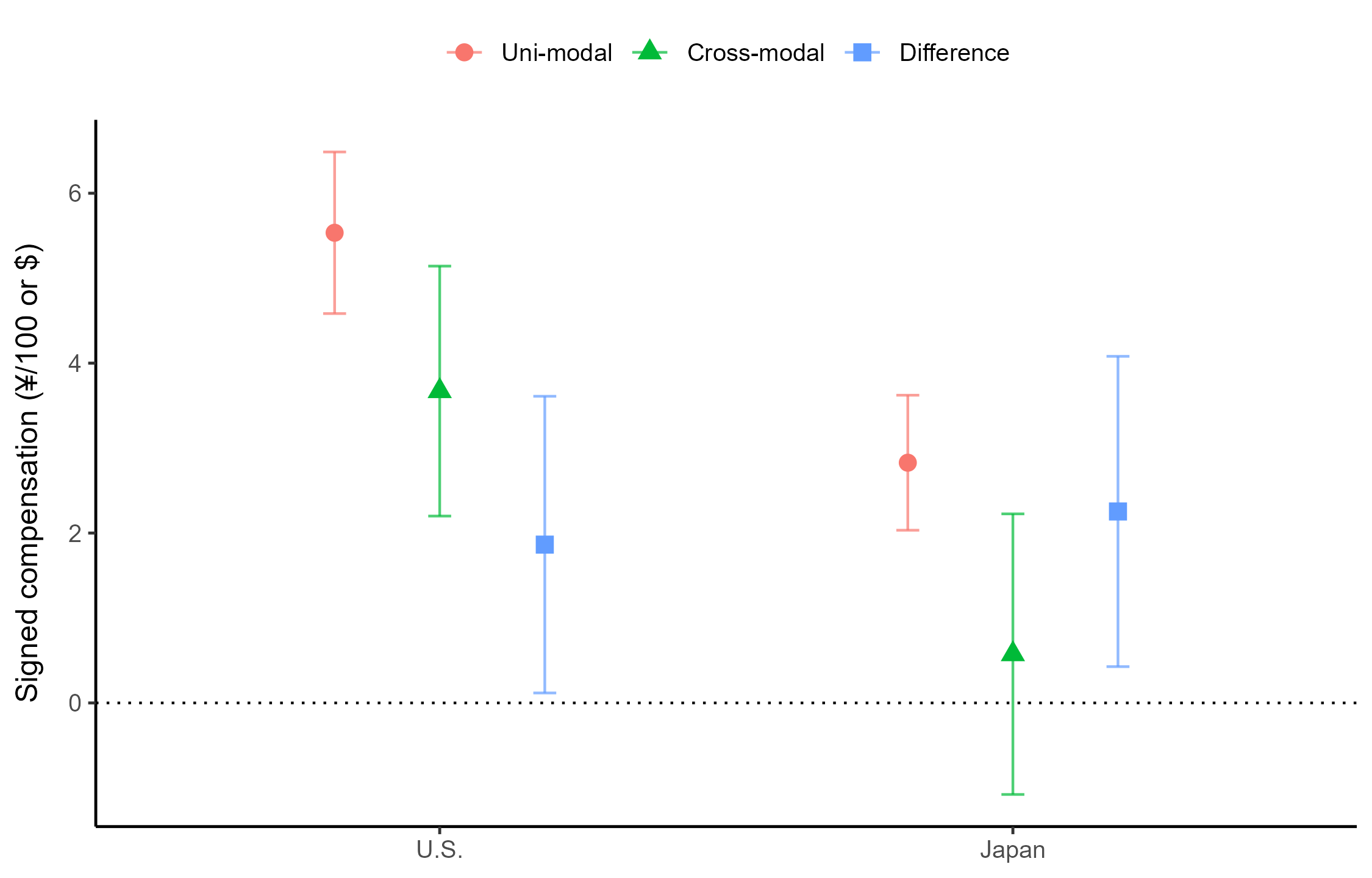
We investigated whether people make decisions differently when comparing similar rewards (uni-modal) versus different types of rewards (cross-modal)—for example, deciding between a weekend getaway now and a high-end television later. Replicating previous findings, we observed that people are significantly more patient when comparing these different types of rewards. Interestingly, while Japanese participants were generally more patient than Americans, this specific pattern (increased patience for different reward types) did not differ across both cultures, suggesting it is a universal human trait.
Published in Judgment and Decision Making (2022), 17, 988-1014.
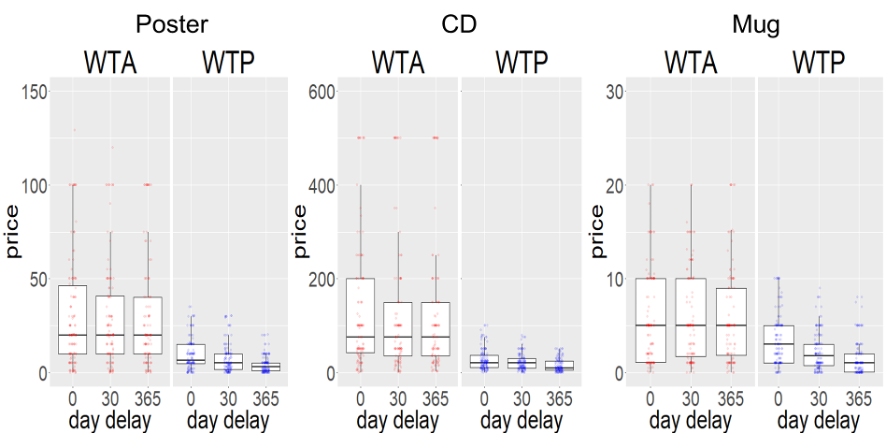
The perceived value of objects tends to increase simply due to ownership, which can create a gap between the selling price and buying price. Our research demonstrates that this gap increases when transactions between sellers and buyers are scheduled in the future.
In Revision at Experimental Economics. (ISER Discussion Papers No. 1230).
Previous research consistently identified differences in time preferences between decisions involving effort and those involving money. However, it was unclear whether these differences stemmed from the types of the outcomes or the associated pleasurable or unpleasurable experiences.
In Revision at Judgment and Decision Making. (ISER Discussion Papers No. 1237).
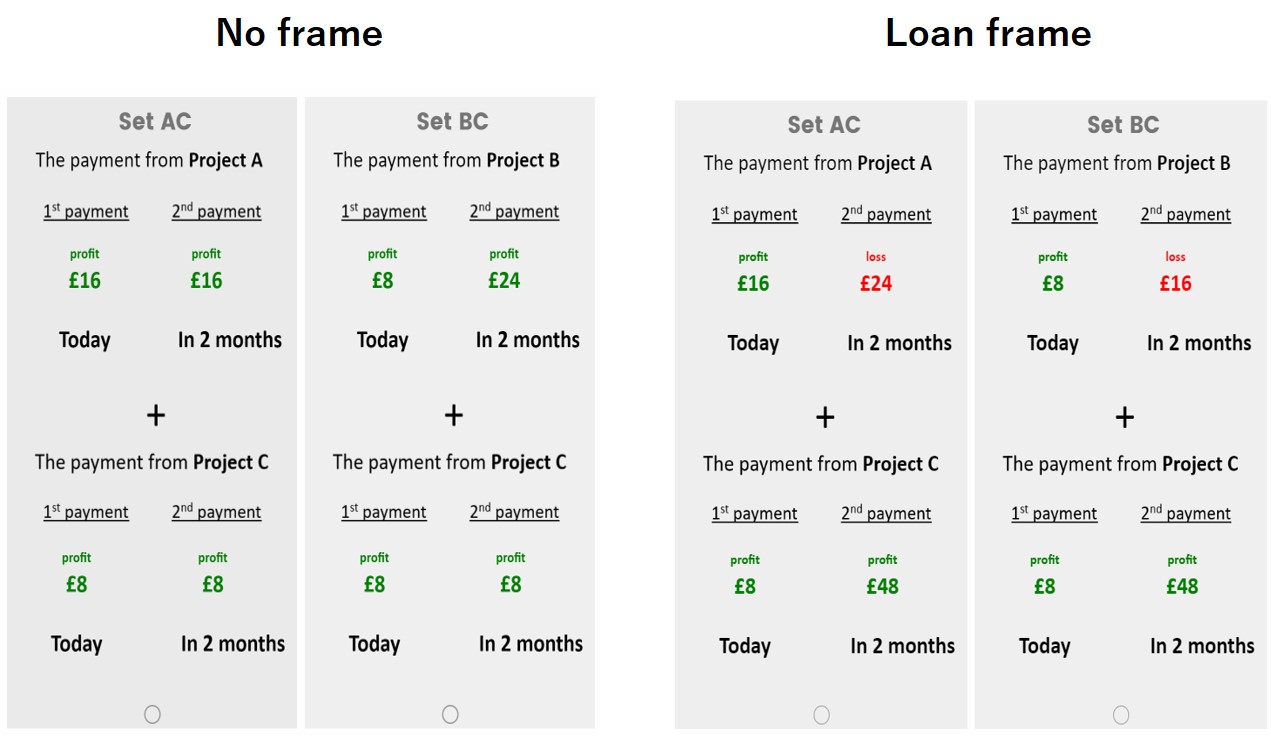
This study demonstrates that when merely framing intertemporal questions as either investments or loans, while maintaining identical total outcomes, time preferences are influenced. This phenomenon is due to the tendency to ignore common payments between choices.
ISER Discussion Papers No. E1242 (2024).
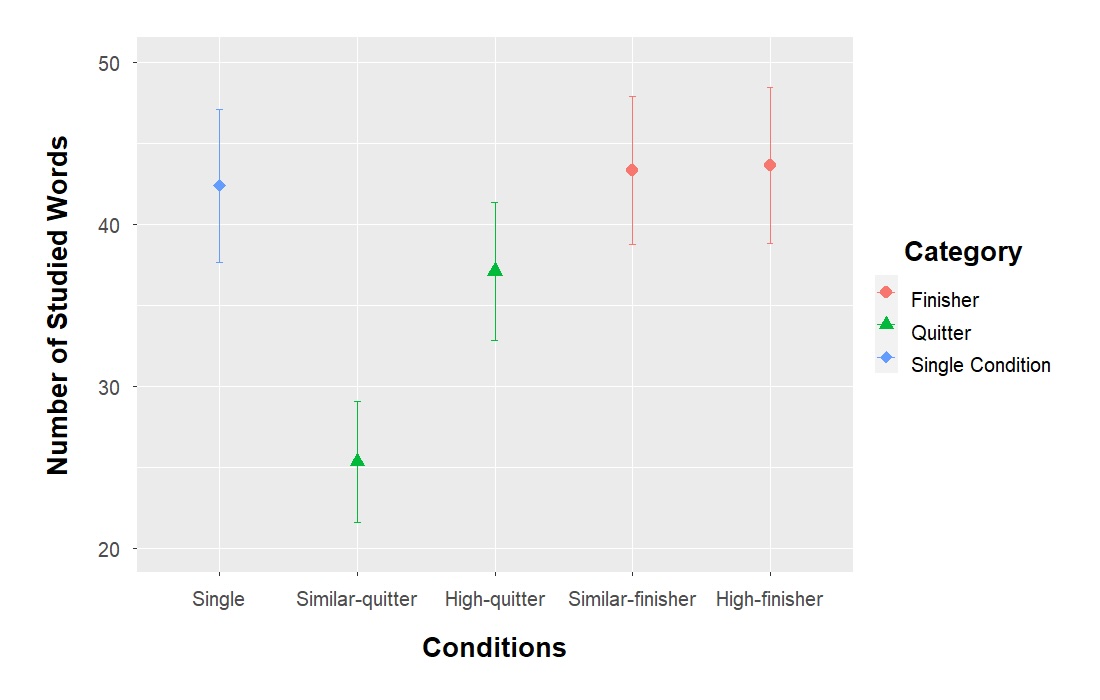
This research examined the impacts of peer effects through experiments resembling online English vocabulary learning platforms. Low perseverance in learning partners negatively influenced learners; these learners quit studying earlier and displayed lower performance.
Download my full CV:
Download CV (PDF)Rikkyo University College of Economics